How to Store Loose-Leaf Tea Without Losing Aroma
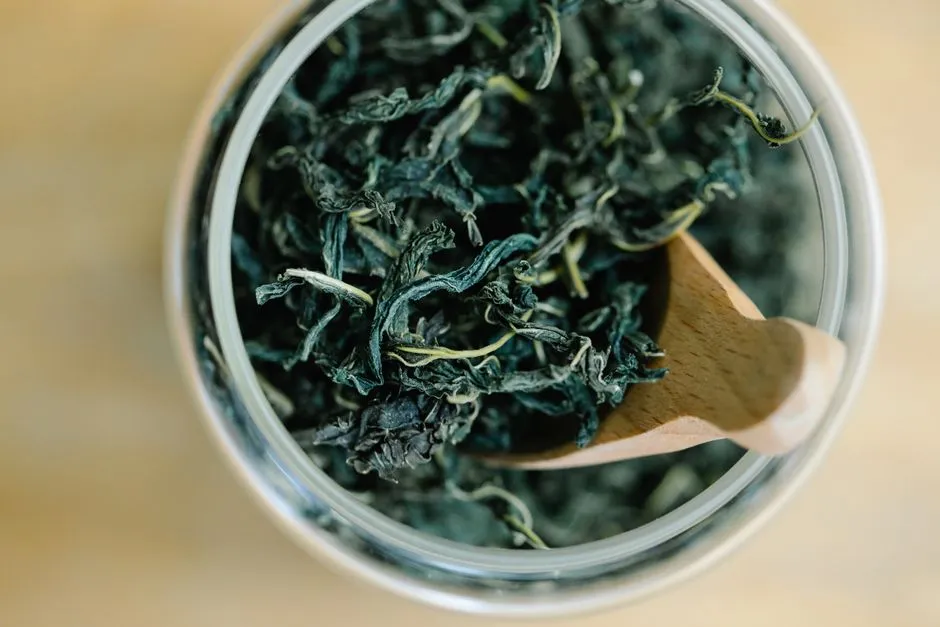
- How should you store loose-leaf tea?
- Good storage is mostly good boundaries
- The five things your leaves would rather avoid
- Keep the original pouch or decant it?
- Choose a container that solves the actual problem
- Make a working tin and a reserve
- Should loose-leaf tea go in the refrigerator?
- What about freezing tea?
- Store different tea styles with sensible expectations
- A two-minute cupboard audit
- Build the habit into the cup
- Sources
How should you store loose-leaf tea?
Store loose-leaf tea in a clean, fully dry, food-safe package that closes tightly and blocks light, then keep it in a cool cupboard away from steam, cooking heat, coffee, spices, and cleaning products. A sound original barrier pouch is often better than a decorative tin with a loose lid. For a large purchase, keep a week or two in a working container and leave the reserve sealed. Refrigerate only when the producer gives specific instructions.
That answer is deliberately about boundaries rather than a universal shelf-life promise. A 2023 review in Trends in Food Science & Technology identifies heat, moisture, oxygen, and light as environmental factors that change tea compounds during storage, and it finds that storage affects different tea categories differently. The useful household conclusion is simple: control exposure, then respect advice for the particular tea.
| What you have | Best first move | Why |
|---|---|---|
| A sound foil-lined or other barrier pouch with a working seal | Keep the tea in it, press out excess air gently, and close it fully | It already combines a barrier and a closure |
| A paper bag or decorative box without an inner barrier | Move the tea to a tight-closing, opaque food-safe container | Paper and display packaging may not control moisture, odour, air, or light |
| A large purchase | Split off a small working supply and keep the reserve closed | The full quantity is not exposed at every brew |
| A clear glass jar | Keep it inside a dark cupboard | The jar may close well, but clear glass does not block light |
| A producer-sealed specialty tea with cold-storage directions | Follow those directions and warm the still-closed package before opening | This limits condensation on cold leaves |
Good storage is mostly good boundaries
Loose-leaf tea does not need a climate-controlled vault, a tiny security guard, or a ceremonial cabinet made from a tree that only grows on one misty mountain. It does need protection from five ordinary troublemakers: moisture, air, heat, light, and strong smells.
The simplest reliable setup is a clean, dry, food-safe container that closes tightly and blocks light, kept in a cool cupboard away from the kettle, cooker, dishwasher, and spice collection. Buy an amount you can realistically drink, label it, and close it promptly after every use. Tea storage becomes complicated mainly when we ask one open bag to survive six seasons and three house moves.
Tea usually fades rather than suddenly crossing a universal best-before cliff. Delicate green teas and highly aromatic teas can lose their lively character sooner than heavily roasted, aged, or compressed styles, but packaging, processing, climate, and handling all matter. Follow the producer's storage and date guidance when supplied. There is no honest single shelf-life number for every leaf wearing the name “tea.”
The five things your leaves would rather avoid
Moisture
Dry tea readily takes up moisture from its environment. That can flatten its aroma and spoil its texture; sufficient moisture also removes the low-moisture boundary on which a dry product depends. Use a completely dry scoop and dry hands. Never hold an open tin over a steaming kettle, however efficient that manoeuvre looks in the moment.
If leaf becomes visibly mouldy, damp in an unexplained way, or develops a musty odour that is not part of the tea's known character, discard it. Do not try to rescue suspicious tea by roasting, rinsing, or brewing it extra hot. Keep this decision flat: uncertain contaminated tea is not worth testing by taste.
Air
Every time a package opens, fresh air enters and aroma escapes. That is not a reason to panic-seal the cupboard. It is a reason to choose containers that match the quantity inside and to avoid leaving lids off while you answer a message, wash a mug, and accidentally begin reorganising the kitchen.
A large reserve can be divided into smaller sealed portions. Keep one as the working supply and leave the others closed until needed. Less repeated opening means fewer opportunities for humidity and kitchen odours to move in.
Heat
Heat accelerates changes that can make fresh tea taste dull. A cupboard directly above the cooker or beside an oven may be convenient in the same way that storing chocolate on a radiator is convenient: physically close, strategically flawed.
Choose a location with a reasonably stable room temperature. Avoid sunny windowsills, the top of the refrigerator, and shelves warmed by appliances. You do not need to chase an exact household temperature unless a producer gives special instructions; consistency and distance from heat sources do most of the work.
Light
Light, especially sustained direct sunlight, is unhelpful to flavour and colour. Opaque tins, ceramic caddies, and original foil-lined pouches block it well. Clear glass can seal beautifully, but it belongs inside a dark cupboard rather than on a bright display shelf.
Yes, the leaves look handsome in a row of glass jars. So do tomatoes. Only one of those belongs in the sun.
Odours
Tea can take up nearby aromas. Keep it away from coffee, spices, onions, cleaning products, scented candles, and anything else capable of announcing itself from across the room. This is especially important for delicate or unflavoured teas.
Flavoured teas deserve separation too. A strongly scented masala chai or smoked tea can share its personality with quieter neighbours through loose lids or permeable packaging. Store assertive teas in their own well-sealed containers unless you fancy jasmine sencha with mysterious notes of campfire and cardamom.
Keep the original pouch or decant it?
Do not decant tea merely because a tin looks more permanent. First inspect the package you already have.
| Check | Keep the original package when… | Change containers when… |
|---|---|---|
| Closure | The zip, heat seal, or fold-and-clip system closes completely | The closure has failed, will not stay shut, or traps leaf in its track |
| Barrier | The material blocks light and is intended to resist moisture and odour | It is thin paper, a loose decorative box, or another permeable wrapper |
| Size | The package fits the remaining quantity without being awkward to close | A nearly empty oversized bag is repeatedly opened and difficult to manage |
| Condition | It is clean, dry, intact, and free of foreign smell | It is torn, damp, greasy, or carrying another aroma |
If you decant, copy the tea name, producer or source, purchase or opening date, and any storage instruction to the new label. The packet may be the only place that preserves a lot code or best-before date, so retain it or record those details rather than turning four teas into anonymous green leaves.
Choose a container that solves the actual problem
The best container is food-safe, clean, fully dry, tight-closing, appropriately sized, and opaque or stored in darkness. It also needs to be easy enough to use that you will actually close it properly. “Airtight” is useful shorthand, not a promise that every tin sold under that word has the same barrier performance.
Original resealable pouches are often perfectly good when their seals still work and their barrier material blocks moisture, odour, and light. Press excess air out gently, wipe stray leaf from the closure, and seal it all the way across. Folding the top and adding a clip can help, but a clip is not a magical replacement for a failed seal.
Metal tins work well when the lid fits snugly and the inside is food-safe and free from rust or lingering odour. Ceramic caddies can be excellent if their lids seal well. Glass jars are useful in a dark cupboard. Thin paper bags and decorative boxes may look charming but usually need an inner barrier package for longer storage.
Before reusing a container, smell it while empty. If last month's lapsang souchong still appears to be conducting business there, choose another home for your white tea. Wash only when the material permits, rinse thoroughly, and let the container become completely dry before refilling it.
Do not add an oxygen absorber, desiccant, or other active packet unless it was supplied for that tea or the producer gives explicit compatible instructions. A controlled study of packaged Longjing tea found that oxygen scavengers reduced aroma deterioration under its specific sealed experimental conditions. That does not establish a household dose, a universal method for every tea, or permission to improvise with unlabelled packets.
Make a working tin and a reserve
For a larger purchase, place a week or two of tea in a small working tin and keep the rest sealed. The exact portion is less important than the principle: open the main reserve rarely and the daily container briefly.
Use three package states rather than one endlessly opened bag:
- Keep the unopened reserve in its intact barrier package.
- Put the next week or two in a labelled working container.
- Keep only a very small amount beside the brewing area if that area is safely away from steam and heat.
Do not continually pour new tea on top of old crumbs. Finish or remove the old leaf, check the container for odour and moisture, then refill. Mixing batches erases useful clues about age and can transfer stale flavours to fresh tea.
Label each container with the tea name, producer or source, and purchase or opening date. Add any useful brewing note. A label prevents the classic cupboard mystery in which three green teas become “probably the floral one.” It also helps you drink older stock first instead of saving everything for an occasion important enough to deserve tea—which, inconveniently, is most afternoons.
Should loose-leaf tea go in the refrigerator?
For an opened everyday package, usually not. Refrigerators contain moisture and strong food odours, and repeatedly moving a cold package into warm air can encourage condensation. A well-sealed container in a cool, dark cupboard is the simpler default.
Some producers give refrigeration guidance for sealed specialty teas, particularly freshness-sensitive green teas. If yours does, follow the producer rather than a generic rule. Keep the package thoroughly sealed and isolated from food odours. Before opening a refrigerated sealed package, allow it to reach room temperature while still closed; this reduces the chance of warm, humid air condensing on cold leaves.
Once that package becomes the daily supply, avoid shuttling it in and out of the refrigerator. Divide it before storage if suitable packaging and producer guidance allow. The goal is not merely “cold”; it is cold without condensation, odour, or repeated disturbance.
The Longjing study tested sealed experimental packages at elevated storage temperatures, with and without an oxygen scavenger. It supports the narrow point that temperature and oxygen conditions can change this green tea's aroma. It does not establish a domestic storage temperature, duration, or method for other teas.
What about freezing tea?
Freezing is not a universal freshness button. Poor packaging, condensation, and repeated thawing can do more harm than a stable cupboard. Use the freezer only when the tea producer recommends it or when you understand the packaging requirements for a sealed reserve.
If a properly sealed unopened portion has been frozen, let the entire package reach room temperature before breaking the seal. Do not take one scoop and return the same package to the freezer over and over. That routine invites moisture and turns tea night into a small, avoidable logistics operation.
Store different tea styles with sensible expectations
Fresh green teas often prize bright, brisk, grassy, or marine aromas, so careful sealing and prompt drinking matter. Lightly oxidised oolongs and delicate white teas also benefit from protection from air and odour. Highly aromatic teas can lose top notes or donate them to neighbours.
Roasted teas may seem sturdier, but they still deserve dry, tight-closing storage. Compressed and intentionally aged teas can have different airflow and humidity traditions; do not apply everyday airtight-tin advice blindly to a tea intended for controlled ageing. Follow a reputable specialist's or producer's guidance for that specific tea and your climate. “Aged” is not a synonym for “forgotten beside the boiler.”
Keep scented, smoked, and flavoured teas away from delicate plain teas. Herbal infusions should also be stored dry and sealed, but ingredients differ widely; use their supplier's guidance, particularly where pieces contain fruit, oils, or other additions.
A two-minute cupboard audit
Take each tea out and ask five questions:
- Does the package close completely?
- Is it protected from light?
- Is the shelf cool and away from steam?
- Are strong-smelling neighbours sealed separately?
- Can I identify the tea and roughly when I opened it?
Fix the obvious weaknesses first. Move the tea away from the cooker. Replace the lid that only rests decoratively on top. Add labels. Consolidate duplicate small amounts only when they are the same tea and condition. These modest changes matter more than purchasing an ornate caddy with the dimensions of a parade drum.
When you open a tea, notice its dry aroma and appearance. Brew it using repeatable measurements from the tea temperature guide. If the cup seems flatter than you remember, first test a little more leaf, fresh water, or a small timing adjustment. Our gongfu and Western brewing comparison can help you change the leaf-to-water ratio deliberately rather than throwing fistfuls at the problem.
Stale tea is usually a quality disappointment, not automatically a safety emergency. A faded aroma or muted flavour can simply mean its best character has passed. Visible mould, unexplained dampness, pest contamination, or a clearly abnormal musty smell is different: discard the tea and clean and dry the storage area.
Build the habit into the cup
Scoop the tea with a dry utensil, close the container before adding water, and return it to its cupboard. That order keeps steam away and takes seconds. If you enjoy turning the brew into a deliberate pause, the five-minute tea mindfulness practice begins after the storage tin is safely shut—because serenity is easier when the sencha is not absorbing dinner.
Good storage is wonderfully unromantic. Keep tea dry, dark, cool, sealed, and apart from smells. Buy quantities that match your drinking life, respect any producer-specific instructions, and let the leaves spend less time waiting for a mythical perfect occasion. A Tuesday cup is an occasion. The cupboard will be relieved to hear it.
Sources
- Lv et al., “Tea storage: A not thoroughly recognized and precisely designed process” — review supporting the roles of heat, moisture, oxygen, and light, and the finding that storage effects differ among tea categories. Accessed September 4, 2026.
- Wang et al., “Impact of utilization of oxygen scavenger on aroma quality of Longjing tea during storage at elevated temperature” — supports only the article's Longjing-specific discussion of sealed packages, elevated storage temperature, oxygen scavengers, and aroma. Accessed September 4, 2026.
- Zheng et al., “Recent Advances in Volatiles of Teas” — supports the narrow point that aroma volatiles change during storage and that changes differ among green, oolong, black, white, and dark teas. Accessed September 4, 2026.