How to Brew White Tea: Two Product-Specific Methods
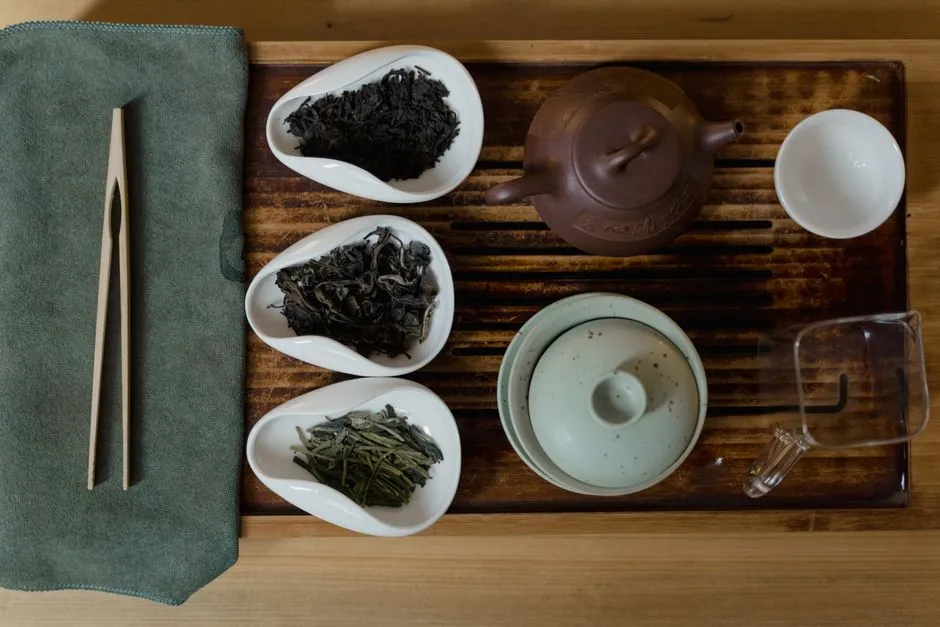
- How should you brew white tea?
- What is white tea, and which one is in the packet?
- What is a complete pot-brewing example?
- How does a short-infusion recipe differ?
- Does white tea always need cooler water?
- Why might the cup seem like warm water?
- What should you record for the next brew?
- What should you know about caffeine?
- Sources
How should you brew white tea?
Use the directions for your actual white tea, keeping leaf weight, water quantity, temperature and time together. A pot brewed for minutes and a high-leaf, short-infusion method are different recipes. White tea is not automatically caffeine-free. Handle hot water with suitable heat-safe equipment away from children, and cool the finished drink before tasting. If caffeine or a health condition matters, discuss suitability with a health professional.
If your first cup tastes faint, start by checking the recipe you followed. A pale drink is not a measurement of leaf weight, extraction or caffeine. You do not need to make it darker to justify enjoying it.
What is white tea, and which one is in the packet?
White tea is processed tea, not simply an instruction to use cooler water. The UK Tea & Infusions Association describes withering and drying in its white-tea processing overview. For the bud-style examples here, Rishi identifies Silver Needles as handpicked tea buds. UKTIA processing overview
Write down the full name, seller and any batch or harvest information printed on your packet. “White tea” alone is too broad to reconstruct a successful cup later. Also note whether it is plain tea or a blend: extra ingredients bring their own flavour and ingredient checks.
This guide uses two named Silver Needle products to show how a usable method works. Their suppliers’ directions were read on September 8, 2026. This is desk research, not a side-by-side tasting, product ranking or claim that either method fits every white tea.
What is a complete pot-brewing example?
Rishi gives the following preparation for its organic Silver Needles:
- Put 6 g of tea with 320 ml water in a glass or porcelain teapot.
- Use water cooled to 185°F.
- Infuse for 3–4 minutes.
- For further infusions, the maker says to increase the steep by 30 seconds each time, and describes another 3+ infusions.
Those are the seller’s published metric quantity and Fahrenheit temperature, retained as written. Its repeat-infusion count is guidance for that product, not a promise that every bag of white tea will provide the same number of enjoyable cups. Rishi Silver Needles preparation
Use a heat-safe pot suited to brewing, following its care and handling instructions. Arrange a stable, clear working surface before heating water. Use the kettle controls or suitable temperature equipment according to the manufacturer’s instructions; this guide does not ask you to estimate temperature by steam, touch or repeated transfers.
Finish the infusion by separating the drink from the leaves with suitable teaware. Allow it to cool before tasting. Keep hot liquids and appliance cords out of children’s reach, and put down the hot drink before picking up a child. Public Health Agency of Canada
How does a short-infusion recipe differ?
Mei Leaf’s current Heirloom Silver Needle page supplies two methods for that particular tea. Both list 95°C, which is already a useful correction to the idea that all white tea requires the same cooler setting.
| Method on the product page | Tea per 100 ml water | First infusion | Added time for later infusions | Listed number of infusions |
|---|---|---|---|---|
| Gong Fu | 4 g | 30 seconds | +5 seconds | 7 |
| Western | 0.6 g | 180 seconds | +30 seconds | 3 |
These are the maker’s starting directions, not our tested yields. In the short method, the published increment gives a sequence beginning 30, 35 and 40 seconds. Each is a separate steep, not the cumulative elapsed time. Mei Leaf Heirloom Silver Needle
Choose one complete method for that product. Do not put the larger leaf charge into the longer first steep because those numbers happened to appear beside each other. Likewise, do not apply this recipe’s temperature to Rishi’s different tea while claiming to follow Rishi.
Short infusions do not require attempting unfamiliar hand positions with hot vessels. Use suitable equipment whose handling you already understand, or stay with the pot method. This article gives no improvised gaiwan grip or hot-lid technique.
Does white tea always need cooler water?
The named directions above differ. That is a reason to begin with the actual supplier’s method, not average the temperatures or declare one seller wrong. “Gentle” may describe a desired flavour; it is not a precise kettle setting.
Keep taste language separate from physical safety. Water below boiling can still burn. A temperature selected for brewing is not permission to drink immediately, touch hot teaware or hold a cup while carrying a child.
If instructions are absent or contradictory, ask the supplier which method belongs to your product and batch. Keep the reply with the packet. Do not combine unrelated online charts into what looks like a single authoritative recipe.
Why might the cup seem like warm water?
Before changing anything, check what you actually measured. Did the direction call for grams while you used a teaspoon? Did it define a water quantity while you filled the pot to its own capacity? Did you choose a short-infusion time but a lower-leaf recipe?
Our editorial suggestion is to correct a missed direction before experimenting. Once the stated method is reproducible, describe what you want differently: more noticeable aroma, fuller flavour, or less drying sensation. These are questions for your own preference, not proof that the tea is good or bad.
A supplier’s tasting notes are also optional vocabulary. You do not have to find a named fruit in the cup. Write “faint to me” if that is the useful observation. Do not force repeated tasting when you have had enough or caffeine is affecting you.
What should you record for the next brew?
Here is an original planning example, not a brewing trial. Imagine a packet says 4 g per 250 ml. The reader records 4 g but actually adds 375 ml. The extra water is 125 ml, or 50% above that packet’s amount. That identifies a departure; it does not calculate a 50% change in flavour or predict a caffeine dose.
A practical record needs only:
- Exact tea and source of the method.
- Leaf weight and actual water quantity.
- Temperature and equipment setting used.
- Infusion number and its own steep time.
- Whether the leaves were separated at the end.
- One plain taste observation after cooling.
Leave unknown entries blank rather than filling them with a guess. For a later brew, change one preference variable only after any missing instructions have been resolved. Keep broader method questions with brewing basics and handling or packet questions with tea care.
What should you know about caffeine?
Do not treat white tea as caffeine-free, or infer a milligram amount from a pale colour or delicate taste. FDA guidance notes that caffeine quantities differ by product and recommends asking the manufacturer when needed. Count other caffeine sources too.
Ask a health professional about caffeine limits if pregnant, trying to become pregnant, breastfeeding, taking a relevant medicine or managing a condition. If caffeine causes symptoms such as palpitations or sleep disruption, discuss your consumption with that professional. This guide provides neither a personal limit nor a therapeutic use for tea. FDA caffeine guidance
Sources
The linked Rishi and Mei Leaf product pages supply their own brewing directions. UKTIA supports the limited processing explanation; the Canadian public-health page supports hot-drink precautions; FDA supports caffeine variability and professional routing. Product health marketing, customer tasting reviews and unverified cup counts are not evidence of our own experience.