How to Brew Herbal Tea: Follow the Blend
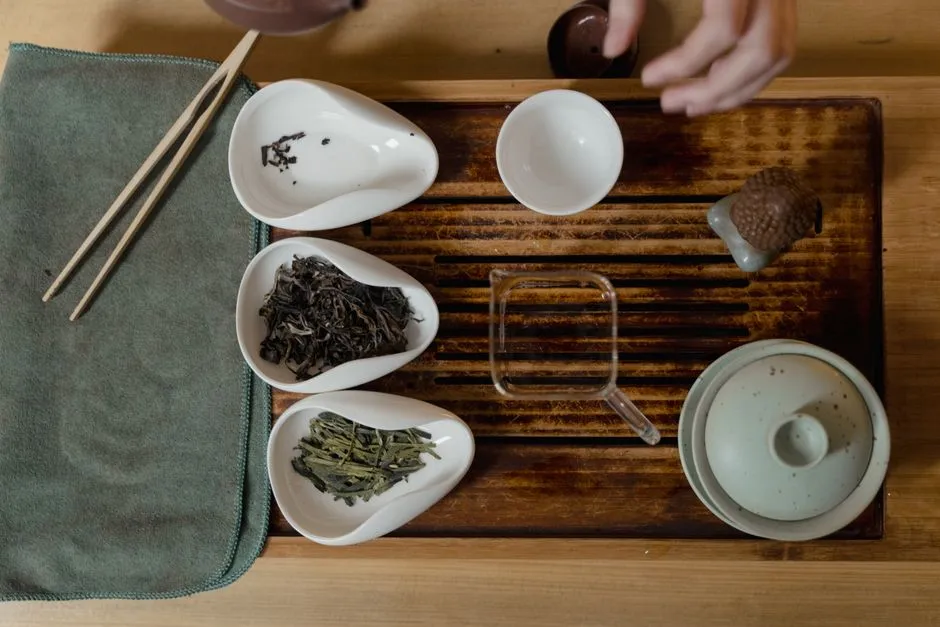
- How do you brew herbal tea without guessing?
- What counts as a herbal infusion?
- What do three actual product directions say?
- How can you make the peppermint example?
- What changes when you use loose herbs?
- How do you improve the next cup?
- Is herbal tea automatically caffeine-free or suitable for everyone?
- Sources
How do you brew herbal tea without guessing?
Start with a labelled infusion intended for drinking, then follow its amount, water volume, temperature and steeping time. Herbal tea is not one ingredient with one recipe. Use freshly boiled water unless the product is specifically labelled for cold brewing. Handle hot water with heat-safe equipment away from children; check ingredients and personal health restrictions before brewing. This is beverage guidance, not a remedy or a daily herbal regimen.
The useful question is not simply “How long for herbs?” It is “Which blend, in which form, in how much water?” That gives you something repeatable the next time you open the packet.
What counts as a herbal infusion?
The UK Tea & Infusions Association distinguishes infusions made from herbs, flowers or fruit from tea made from Camellia sinensis. A blend can also combine those ingredients with actual tea. “Herbal” on the front therefore does not replace reading the complete ingredient list. The association advises preparing products with freshly boiled water unless they are specifically labelled for cold brewing. A plan to drink something cold later does not itself make it a cold-brew product. UKTIA infusion guidance
Keep this guide to packaged food-use infusions. It is not a method for identifying garden plants, extracting essential oils or turning an unknown root into a drink. A missing preparation label is a reason to ask the supplier, not to transfer instructions from a different herb.
What do three actual product directions say?
These are manufacturer instructions checked on September 8, 2026, not results from our own brewing tests or endorsements. Check your own pack because markets, formats and formulas can differ.
| Named product and format | Published amount and water | Published steep |
|---|---|---|
| Twinings UK Pure Peppermint, tea bag | One bag in 200 ml freshly boiled water | 3 minutes, or longer for stronger; remove bag |
| Adagio plain Rooibos, loose | One heaping teaspoon, stated as 2–3 g, per 8 oz cup; 212°F/100°C water | 5 minutes minimum; maker offers 7–10 minutes for a stronger cup |
| Teapigs UK Chamomile, 100 g loose format | Two rounded teaspoonfuls per person; the displayed directions do not specify a water volume | 3+ minutes |
Sources: Twinings peppermint, Adagio rooibos, Teapigs chamomile.
The table is deliberately not a flowers-versus-leaves timing chart. Two rounded teaspoons of whole flowers are a different measurement from a tea bag or a weight of shredded rooibos. Do not convert them into equal-strength servings. For the chamomile product, consult the pack or maker for the missing water quantity before treating the online directions as a complete ratio.
Nor does a root-containing blend automatically need simmering. Use that blend’s preparation method; this article supplies no general decoction instructions. Keep the manufacturer’s quantities together instead of combining one product’s spoonful with another product’s mug and timer.
How can you make the peppermint example?
For the specific Twinings product above, place one bag in a heat-safe cup and add its stated water quantity. Follow its three-minute starting steep, then remove the bag using appropriate utensils. The maker also recommends covering during infusion to retain volatile oils. Use a compatible, heat-safe lid and handle it according to the vessel’s instructions; steam and hot condensation can burn.
Allow the drink to cool before tasting. The steeping temperature is not a drinking temperature. Keep the kettle and drink on a stable surface, with cords and hot liquids inaccessible to children. Put down the hot drink before picking up a child. Public Health Agency of Canada burn prevention
A timer is useful here because it separates the intended brew from an accidental long soak. This is a complete named-product example, not a promise that three minutes suits every peppermint blend.
What changes when you use loose herbs?
First identify the unit on the packet: grams, level teaspoons, rounded teaspoons or a supplied scoop. Preserve that unit in your notes. A household spoon and a measuring teaspoon are not interchangeable records, and “one scoop” means little once the scoop has been misplaced.
Choose a food-contact infuser suitable for the product and follow the equipment instructions. Check its fit while everything is cool. After brewing, remove or strain the infusion as directed so the solids are no longer sitting in the finished drink. Do not squeeze hot material with bare fingers or improvise a lid that can slip.
An important distinction: the rooibos maker’s longer-steep option belongs to that product. It does not establish that every botanical tolerates unlimited steeping or that stronger means healthier. Taste preference and suitability for a person are separate questions.
How do you improve the next cup?
Use a short record rather than a new rule. Our suggested card is an editorial organising tool, not a tested extraction model:
- Product, market and bag or loose format.
- Packet amount and water quantity, with units.
- Required water preparation and steep.
- Whether the packet specifies covering.
- What you actually did differently, if anything.
- Taste after cooling, and one permitted change for next time.
For a fictional measurement example, suppose someone uses a bag labelled for 200 ml but routinely fills a mug with 300 ml. That is 100 ml more water, or 50% above the stated quantity. It does not tell us exactly how the drink will taste. It does identify a measurable departure before the reader concludes that the packet needs a different steep.
Start by matching the directions. If the maker offers an adjustment, change only that variable next time. Do not shorten a required preparation step or substitute cold water to chase a preferred flavour. Keep further technique questions with our brewing basics and packet-handling questions with tea care.
Is herbal tea automatically caffeine-free or suitable for everyone?
No. Check every ingredient and the caffeine information: a mixed product may include tea or another caffeine-containing botanical. If caffeine matters to you, do not infer an amount from the drink’s colour or the word “herbal.” UKTIA
Chamomile also illustrates why a familiar ingredient still needs care. NCCIH reports possible allergic reactions, including severe reactions, greater allergy likelihood with related plants such as ragweed, and medicine interactions. It advises discussing herbal products with a health professional when taking medicines; pregnancy and breastfeeding safety information for chamomile is limited. Ask a clinician or pharmacist about your particular blend if pregnant, breastfeeding, taking medicines or managing a health condition. NCCIH chamomile
Stop using a drink that causes a reaction. Sudden mouth or throat swelling, trouble breathing or collapse requires emergency help: call your local emergency number immediately; in the UK, call 999. Follow your prescribed allergy emergency plan. NHS anaphylaxis guidance
Sources
Manufacturer pages supply only their own preparation details. UKTIA supplies infusion terminology and hot-preparation guidance; NCCIH, NHS and the Public Health Agency of Canada supply the specific safety information linked above. Marketing claims about sleep, digestion or universal suitability are not adopted here.